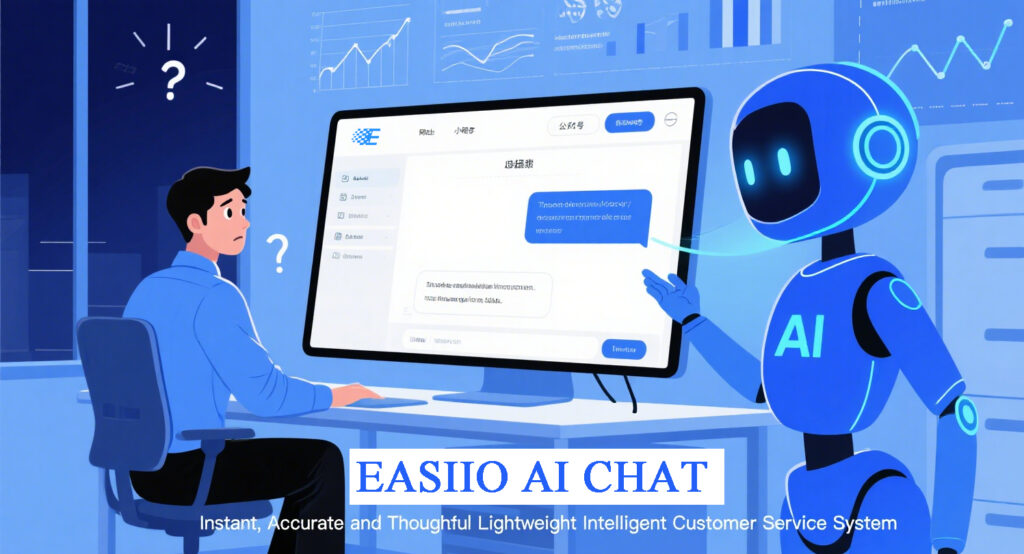
Knowledge graph RAG (Retrieval-Augmented Generation) is an advanced approach in the field of artificial intelligence and machine learning that combines the principles of knowledge graphs with retrieval-augmented generation models. This method is designed to enhance the way machines understand and generate human language by leveraging structured data from knowledge graphs, which are graphical representations of entities and their interrelations within a domain.
In the context of RAG, the knowledge graph serves as a vast reservoir of information that can be tapped into to provide contextually rich and precise responses. It involves two main components: the retrieval component and the generation component. The retrieval component searches and extracts relevant information from the knowledge graph based on the input query. This process ensures that the generation model, such as a transformer-based architecture, is equipped with accurate and contextually appropriate data to produce coherent and informative outputs.
Technical professionals interested in natural language processing (NLP) and knowledge representation find Knowledge graph RAG particularly useful because it addresses the limitations of traditional models that rely solely on pre-trained text corpora. By integrating real-time, factual data from knowledge graphs, RAG models can significantly improve the accuracy and relevance of generated responses, making them highly effective for applications that require up-to-date and reliable information, such as question-answering systems, chatbots, and content recommendation engines. Additionally, this approach facilitates better interpretability and transparency in AI systems, as the source of information can be traced back to specific nodes and links within the knowledge graph.